By: Sam Franks
TYENDINAGA – On Thursday, Nov. 14, Mohawk (Kanyen’kehá:ka) leatherworker, Cheryle Maracle, informed nine students about the tradition and importance of her work and culture.
Maracle said she remembered visiting the farm when she was a child and the significance of her cultural traditions.
“It really is a gratifying job. We are taught to utilize every piece of the animal that we can,” Maracle said.
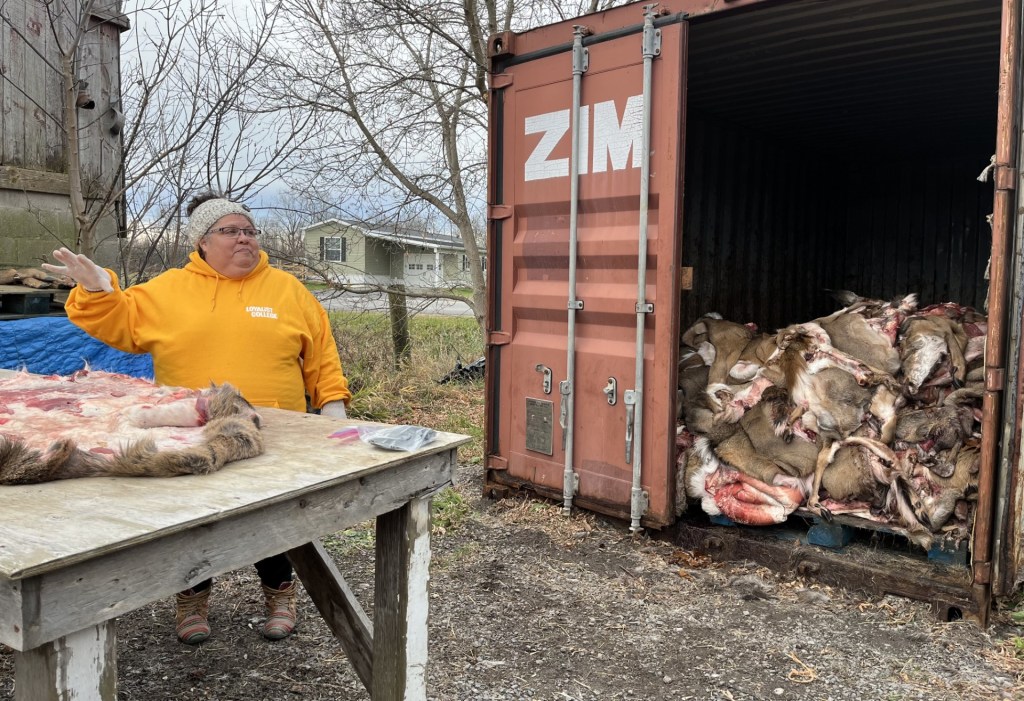
She said that in a year they can process over 1000 deer hides.
They also receive moose, elk, and bears.
Maracle won’t work with bears in respect to her clan. Her deposit still accepts bears as she is not the only worker.
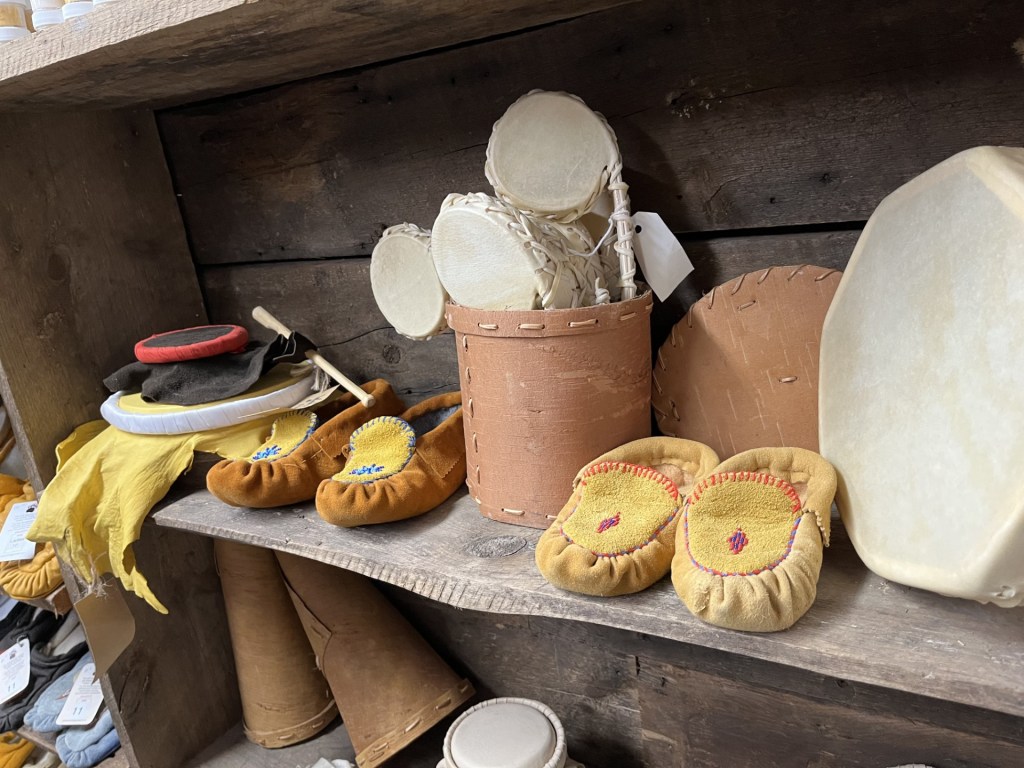
“What we do with that is we render down the fat and we make medicines with that. We also use the hide and stuff to make different crafts,” she said.
Creams and different oils for ointment are the medicines made from the animals.
Maracle is a member of the Hats for Hides program.
“The program involves distributing patches signifying a successful hunt for animals,” Maracle said.
The initiative to reduce animal hide waste and get more hides in the hands of Indigenous crafts makers was established over 60 years ago by the Ministry of Natural Resources.
“These patches were originally accompanied by orange hunting hats,” she explained.
The number of drop-off depots that accept hides like Maracle’s is significantly dropping.
In 2019, there was 35 deposits accepting hides, in 2023 there was 11 deposits and this year there’s only five.
“We were just over 30 collectors in southern Ontario before COVID. The industry asked us not to do this because they were claiming that this was COVID at one point,” Maracle said.
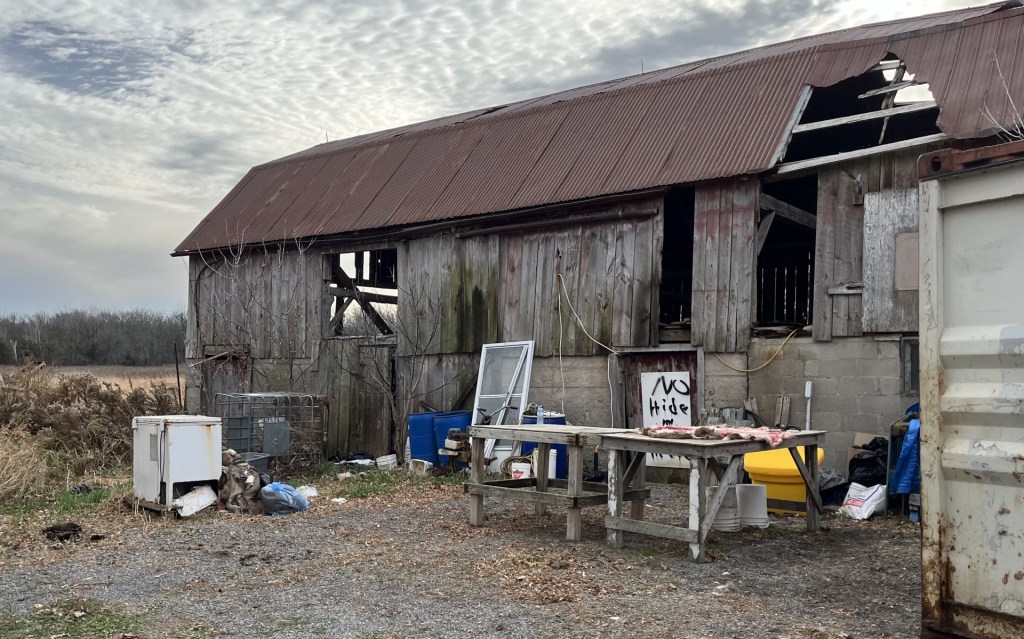
Maracle said that she took that first pandemic year off and many of her fellow collectors did as well.
When others left the industry, Maracle returned.
“In the grand scheme of hunting there’s thousands of deer that are shot in our area a year, and somebody needs to be doing this. What we do with this is turn it into leather. It is our livelihood,” she said.
A report by the Canadian Council for Indigenous Business states that nearly three quarters of women owned Indigenous businesses were negatively impacted by the pandemic.
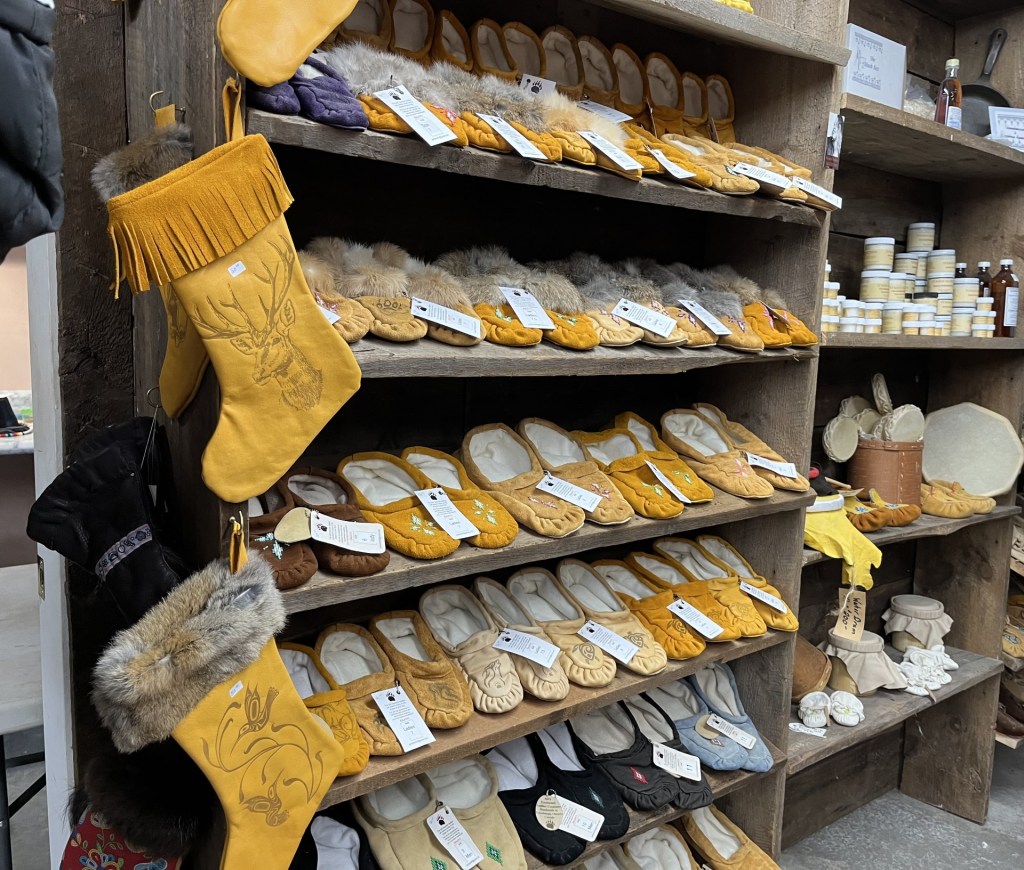
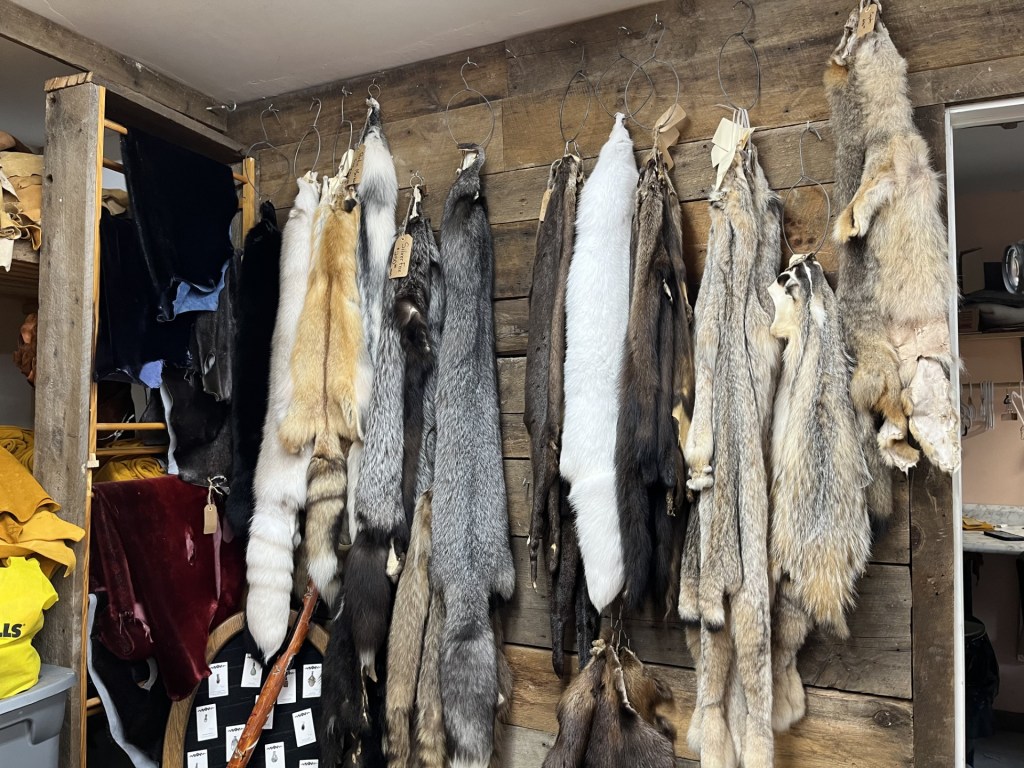
“We sell to First Nations people all over North America. We also travel powwows in the summer time. And that’s our means of commerce,” Maracle explained.
According to a report from Statistics Canada, one of the constraints of Indigenous owned businesses is due to location.
The isolate geographical locations can make it hard to sell or cease business, like Maracle had to during COVID.
Another challenge is rising costs of goods.
“When I started six years ago, the salt was $4 a bag. Now it’s almost $9 a bag,” Maracle said.
A recent report from Statistics Canada, says the costs of manufacturing goods have increased by 80 per cent.
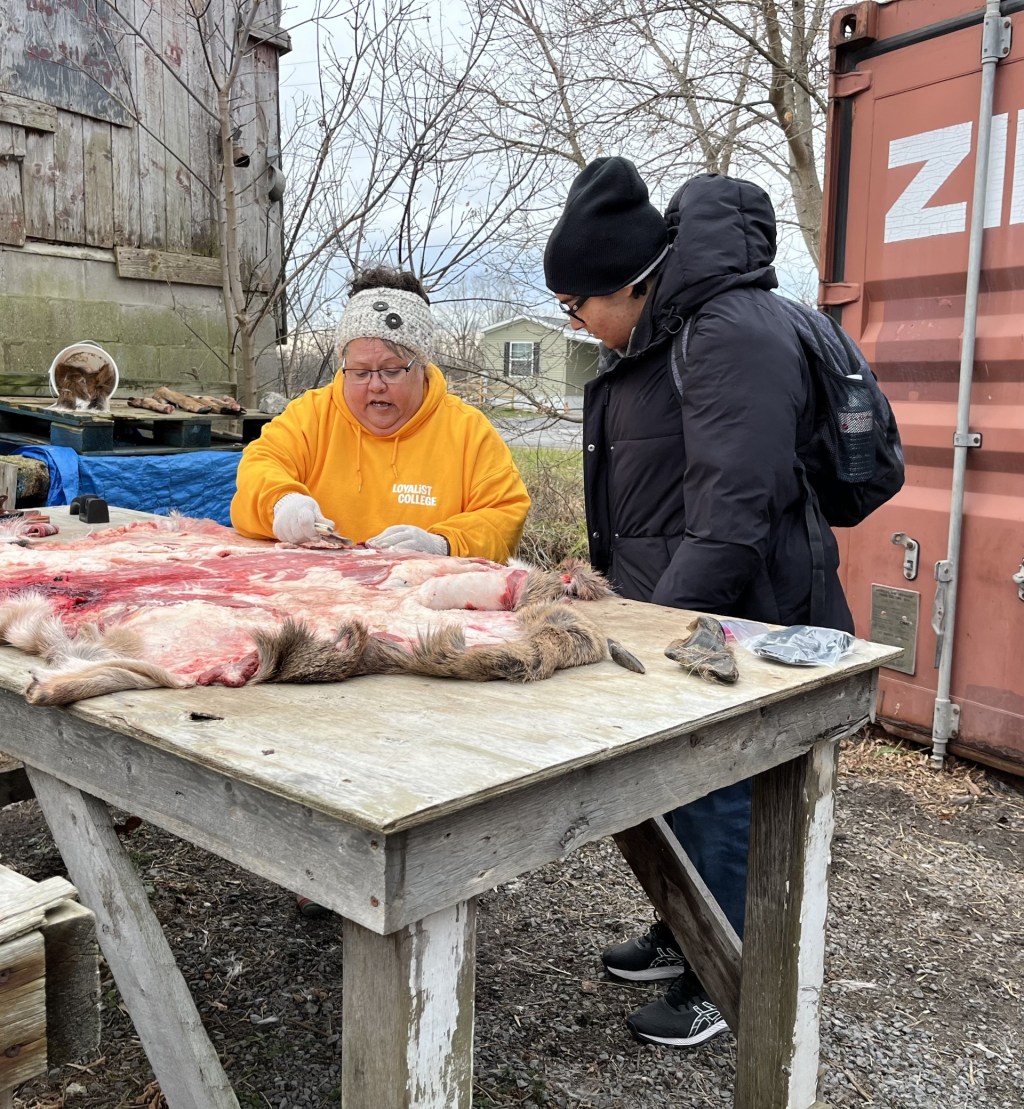
Despite all of the stresses when owning her small manufacturing business, she gladly showed students of Loyalist college how to clean a hide, and even let some students try.
One student, Storm Liscio, was one of those students.
“It was so cool. I’ve never experienced anything like that,” Liscio said.
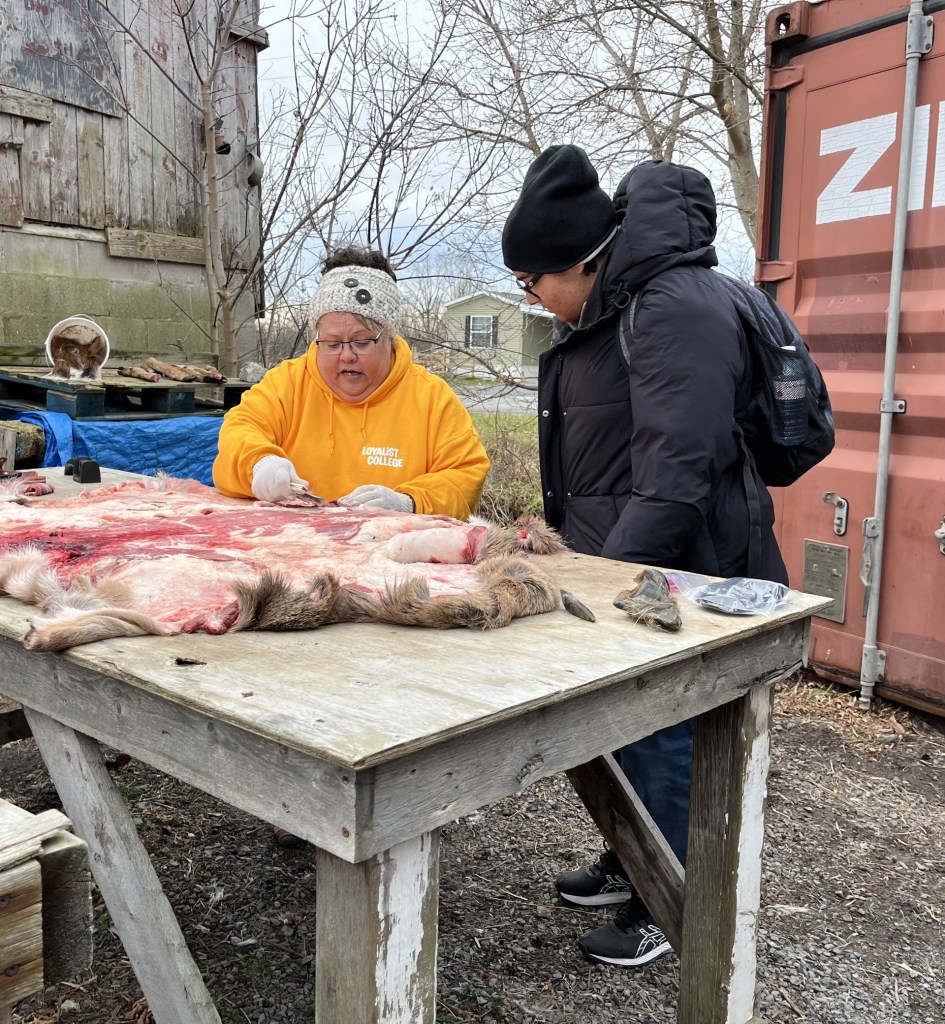
Maracle uses an ulu to clean the animal hides.
“The key is to find the best knife or the best tool that you can find to do more work than your arm has to,” Maracle said.
The ulu is a traditional Inuit knife that typically only women use.
Maracle explained that the way the ulu is designed eases the stress on her wrists compared to other knifes.
“I’ve gone through so many knives in six years, and this one, this is the answer,” she said.
Students were left with a deeper understanding and knowledge of traditional Indigenous practices.
“I’ve never seen anything like what I did today. It was really eye-opening and interesting,” Liscio said.
 Keeping it Frank
Leave a comment